Commercial Roof Puncture Repair in Murfreesboro, TN
Murfreesboro puncture repair identifies the opening, checks insulation and deck moisture, and ties a compatible patch into sound membrane.
Commercial Roof Puncture Repair
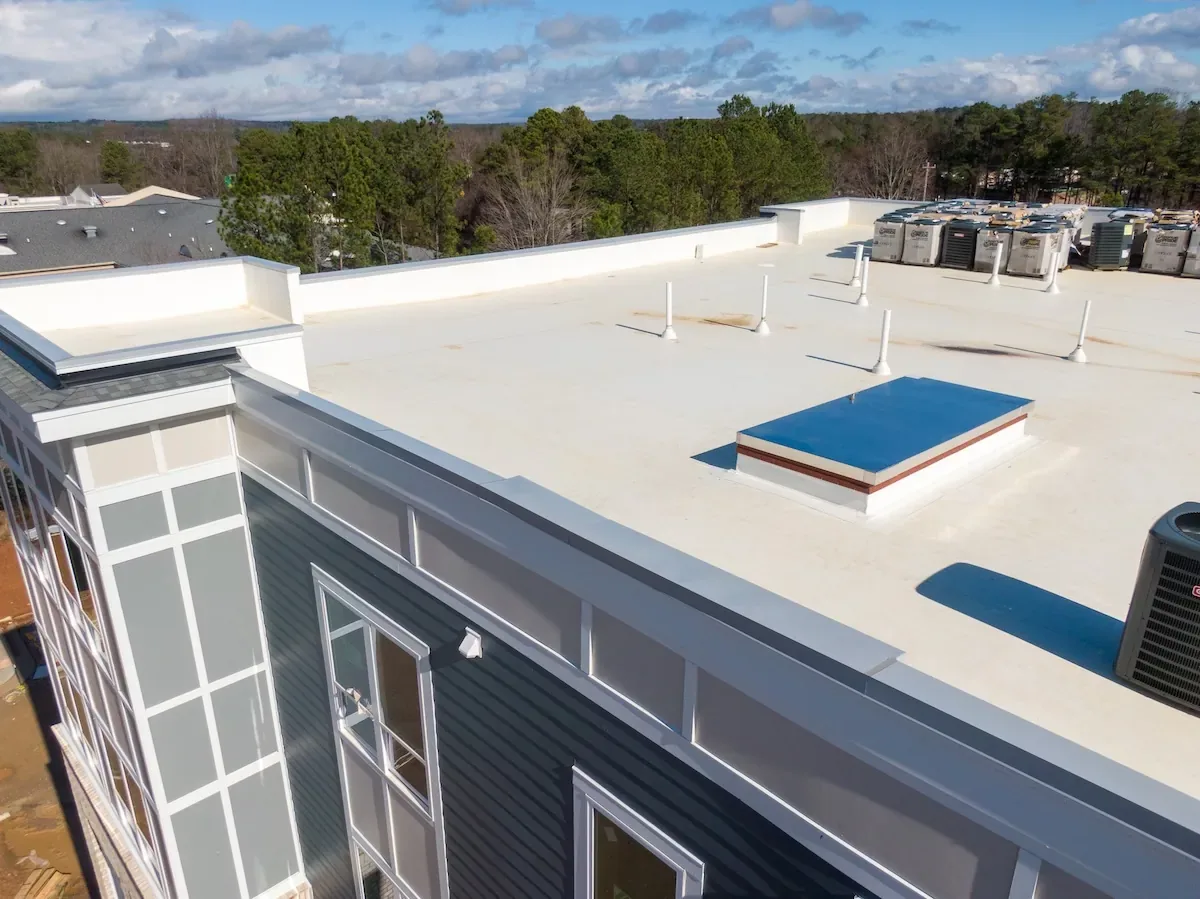
A puncture can hide under a walkway pad or beside equipment long before water reaches the room below. On a Murfreesboro, TN commercial roof, we locate the opening, identify the membrane, and check the surrounding sheet for cuts, scuffs, displaced surfacing, or a weak prior patch. The repair needs clean, compatible material and a boundary that reaches sound roof. We also ask how the area is used: routine service traffic, a dropped tool, sharp debris, or a fastener can leave different patterns that change how the crew protects it.
NOAA normals for Murfreesboro show warm periods and regular freezing nights. These are long-term city averages, not an explanation for damage at one building. We use actual roof conditions to set the repair. A small opening may need a patch; crushed insulation or a damaged deck can widen the scope. The owner receives photos and a location record, plus any separate test area or access limit that affects what we can confirm before closing the roof.
Find the opening and its cause
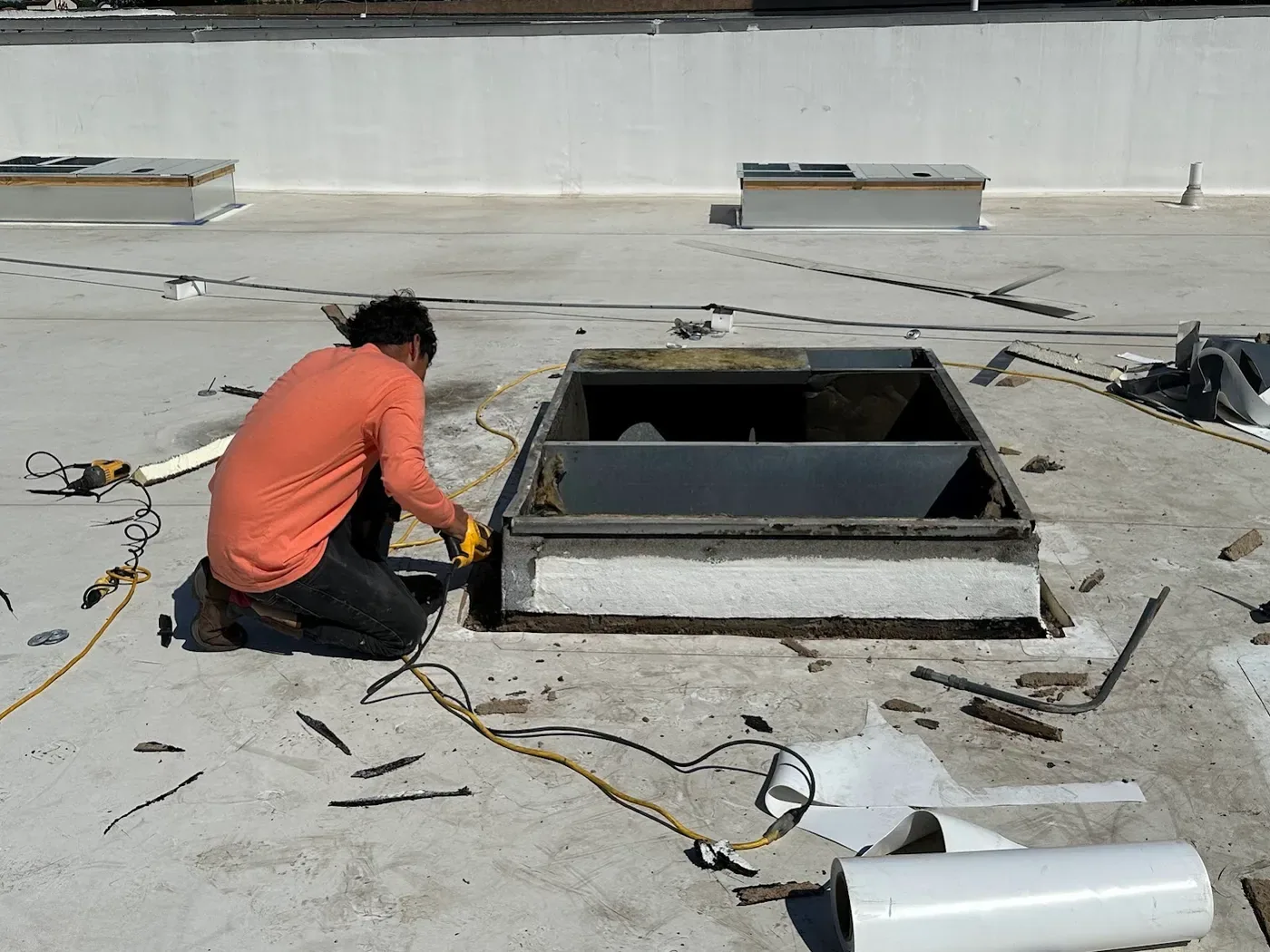
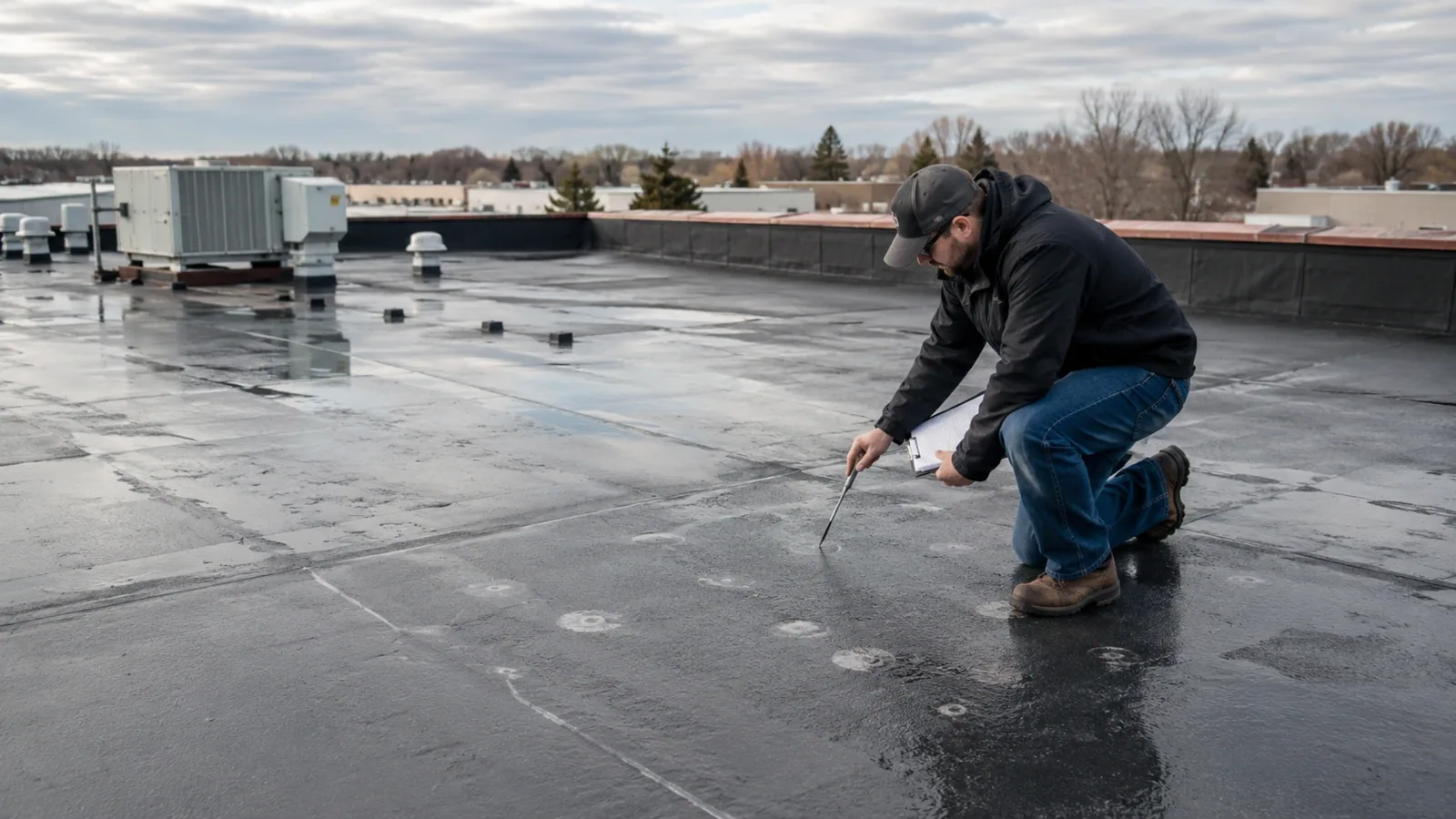
We follow the interior report back to roof penetrations, service paths, equipment curbs, drains, and previous patch edges. On the surface, we look for a cut, indentation, puncture, worn walkway, displaced stone, or fastener that has moved through the membrane. We compare the damaged spot with the roof plan and take a photograph before lifting any loose material. The opening may be smaller than the affected area below it, so we check for soft insulation or a deck condition that needs testing.
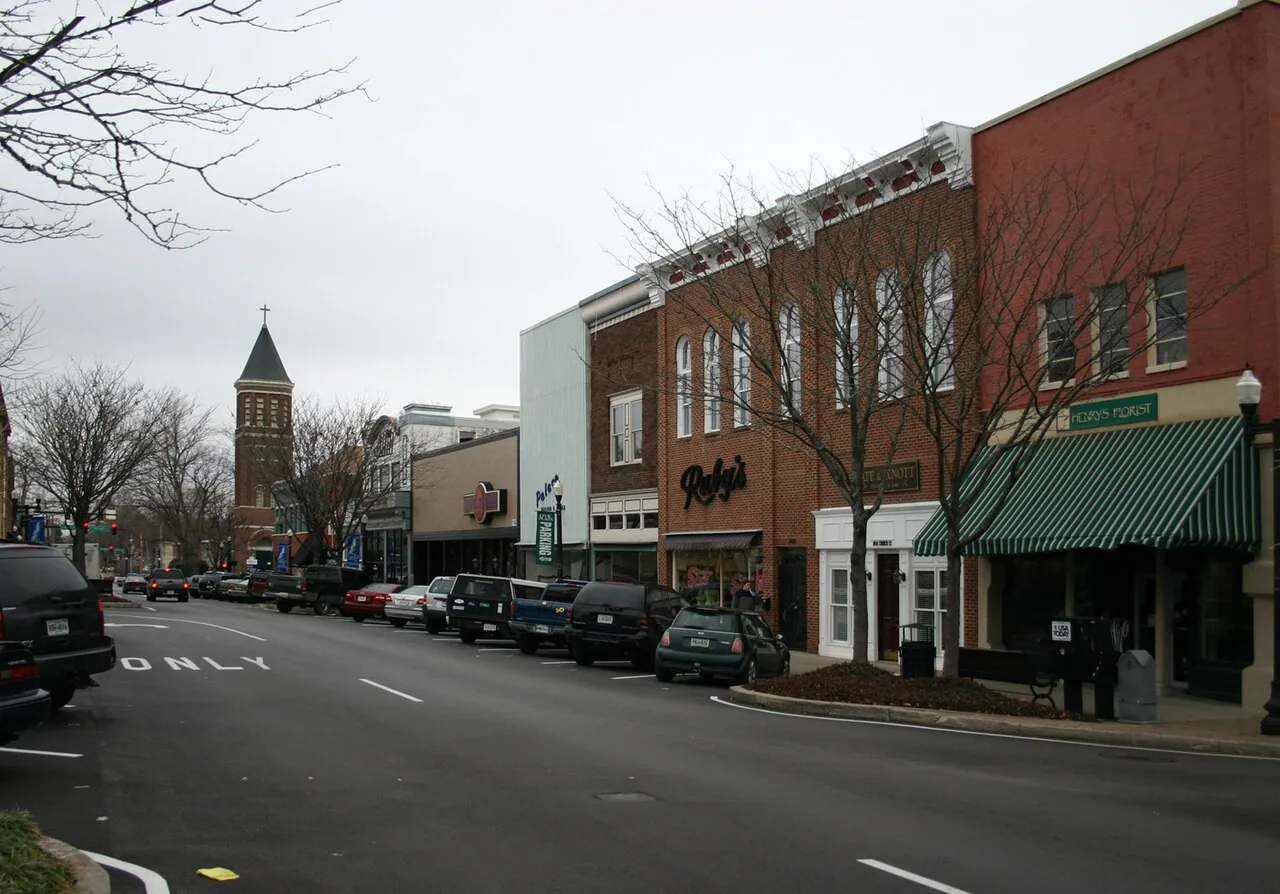
Murfreesboro's downtown map labels East Main Street Historic District within a mix of commercial, civic, residential, and school uses. The city's future-land-use update also marks the Medical Center Parkway area for medical-commercial and office-park settings. Those are broad planning contexts, not proof of a particular roof type. A clinic, office, or production building still needs its own access plan, interior protection, and assembly check. We keep the finding specific to the section inspected.
Match the patch to the membrane
A patch starts with system identification. Thermoplastic sheets need suitable surface preparation and a compatible welded repair; EPDM calls for its system-appropriate cleaning and bonding detail; coated or surfaced assemblies need another preparation decision. We remove loose or contaminated material only as needed to expose a sound edge. The patch extends beyond the puncture and is shaped to avoid a narrow corner that can peel. If a walkway pad is present, we confirm why it is there before resetting or replacing it.
We do not place a generic sealant over a hole and call the assembly repaired. Moisture, dirt, old coating, incompatible residue, or a soft substrate can defeat a patch even when the opening is covered. The TPO repair method differs from the EPDM method, and a standing seam panel requires a metal-system review. The chosen material and boundary are recorded so the next roof walk can locate the work without guessing which product was used.
Check the layers below
Water from a puncture may spread along a board joint or deck flute before it shows inside. We compare the leak location with the roof opening and inspect the insulation and deck around it. A moisture scan can help choose a test point, but it cannot confirm every hidden condition. If a cut or core is needed, we agree on its position, protect the occupied area, record the layers, and close the opening before leaving. The findings determine whether the patch can remain local or must expand to dry, stable material.
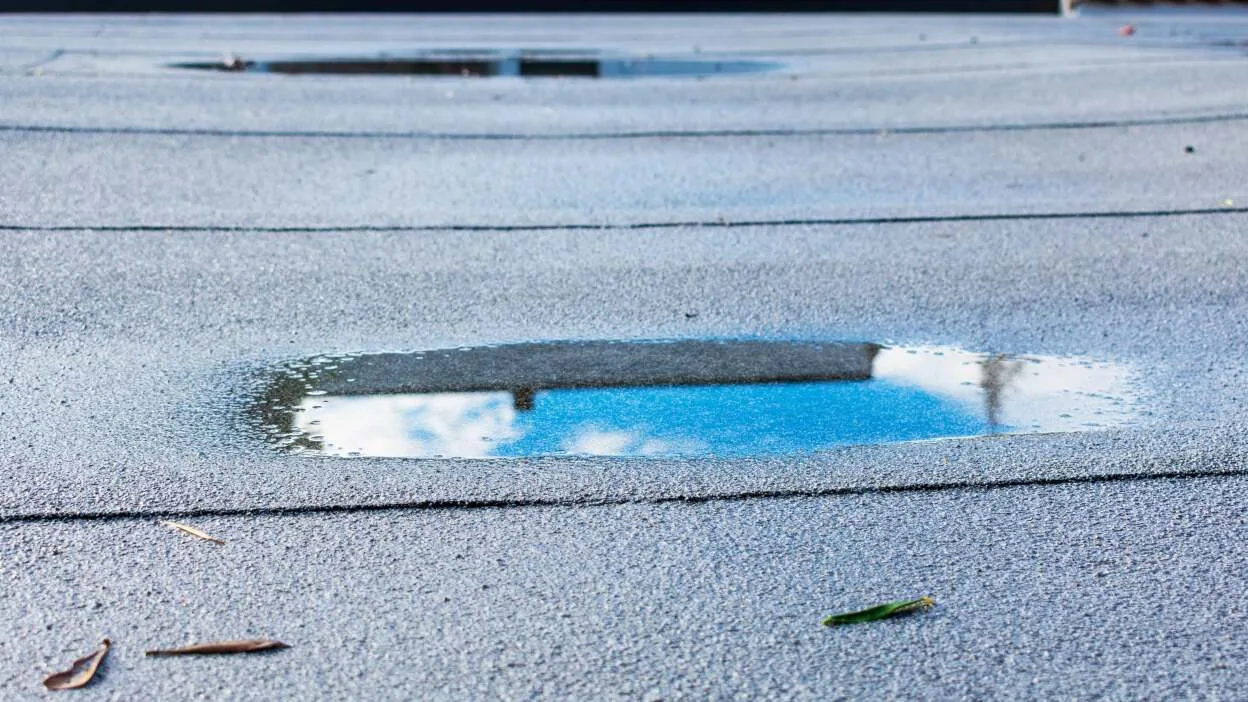
Soft insulation, corrosion, damaged wood, or movement at the deck changes the repair boundary. We document the visible evidence and list concealed conditions separately if they cannot be confirmed without opening the assembly. If a second leak sits at a curb or wall, the owner may also need a flashing repair. A low spot can hold water against the patch, so we check the nearby drainage route before setting the final scope.
Keep foot traffic off the repair
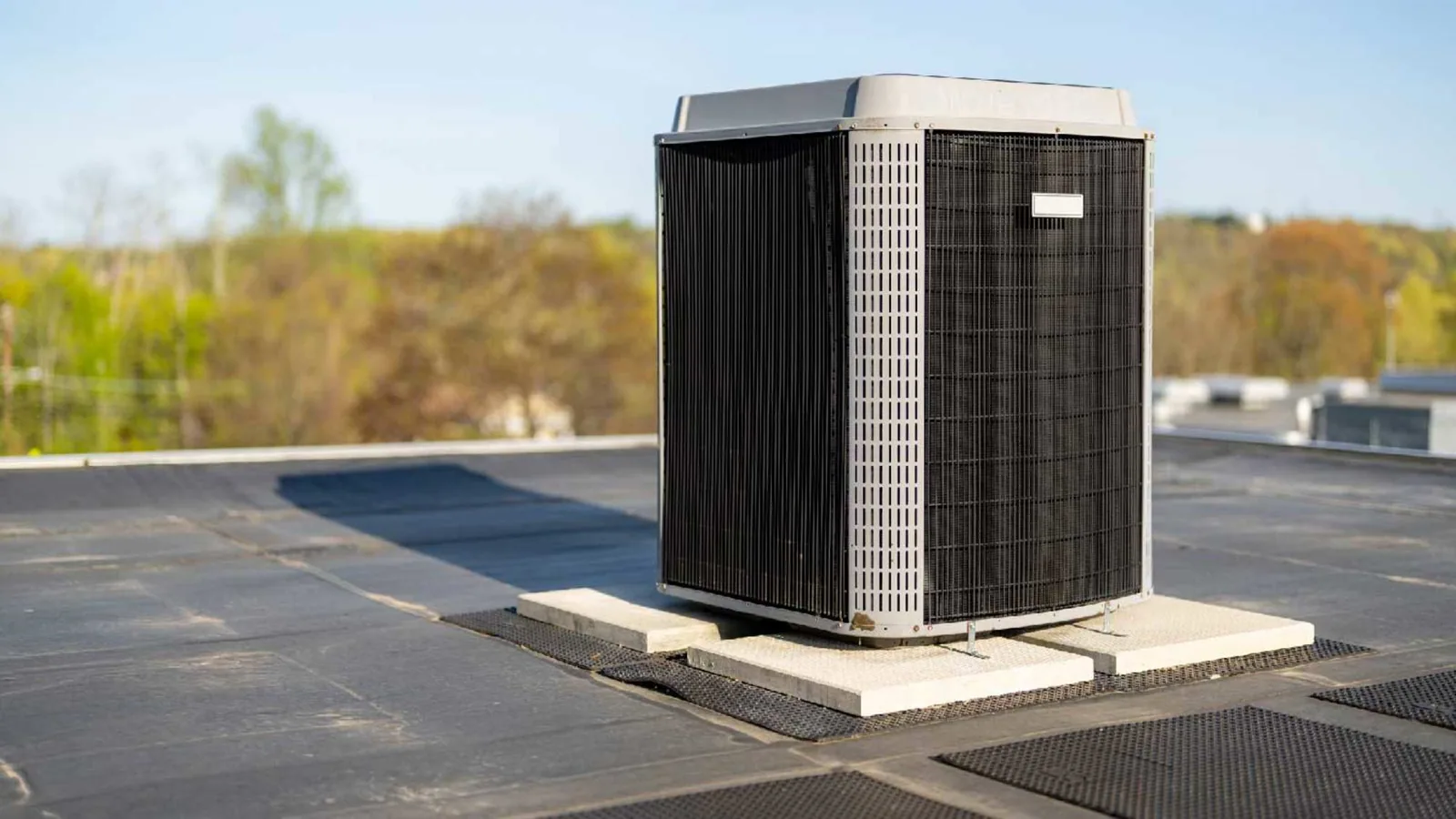
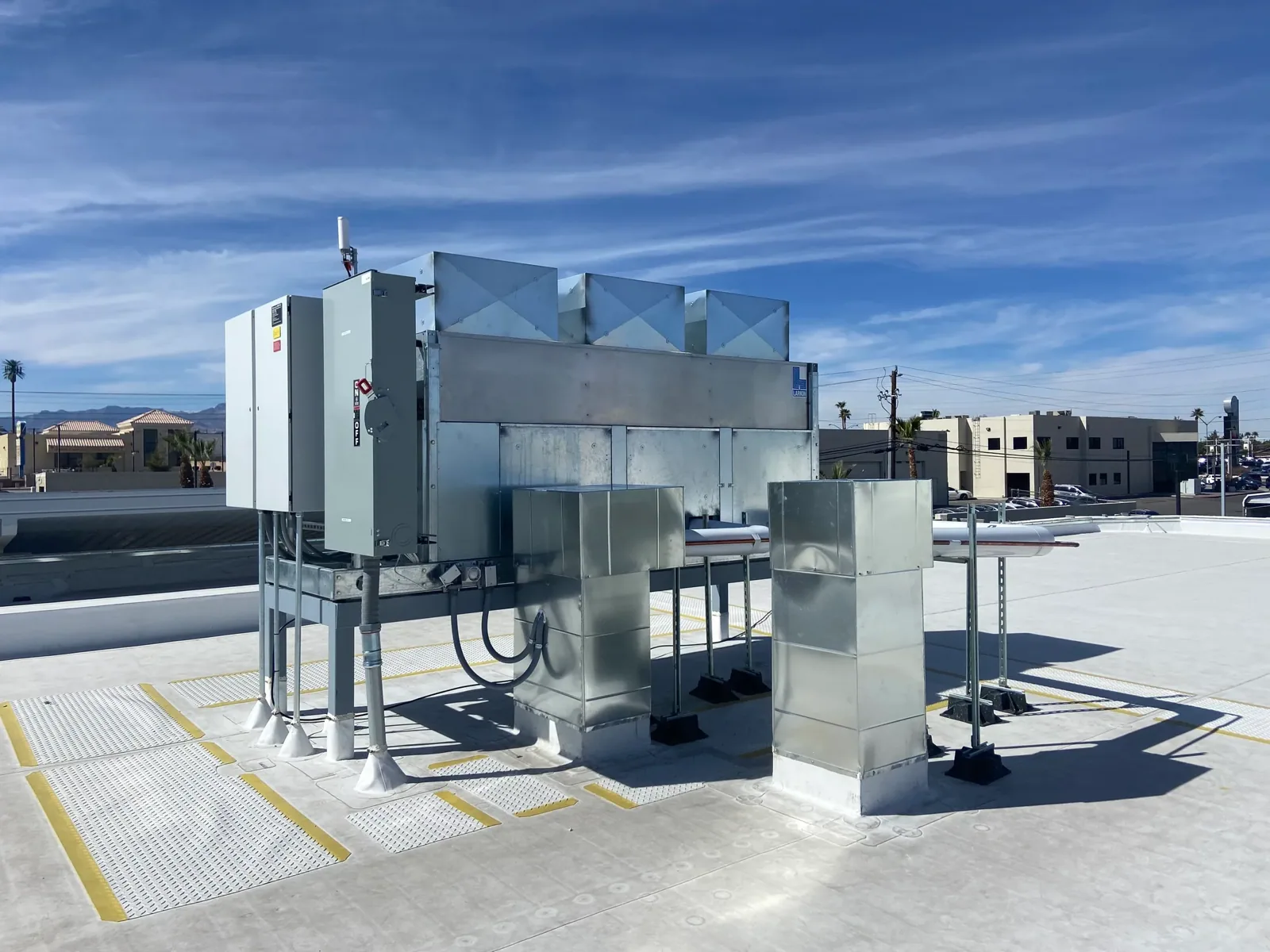
Repeated service traffic can puncture a membrane again if the route crosses equipment or a roof edge without protection. We mark a safe path to rooftop units and identify where walkway pads, guardrails, or access controls belong in the work plan. The crew keeps tools and fasteners in a controlled area and checks the roof before demobilizing. For a building with multiple operators, the property contact should identify who may enter the roof and how service visits are scheduled.
Murfreesboro's land-use plan includes medical, office, manufacturing, distribution, and food-production uses, and the city also has substantial institutional properties such as MTSU and the Alvin C. York VA Medical Center. Those references help explain why roof access may involve different building contacts, but they do not establish site procedures for any property. We confirm the actual contact, equipment shutdown needs, and work zone. A curb and equipment review can be included where the puncture is beside a unit or support.
Price the repair by the affected section
Cost and timing depend on the membrane, patch size, access, test work, and substrate condition. A single puncture in a dry field may be a short repair. Several openings around a service path, wet insulation, or a deck repair require more preparation and protection. We separate each known location and identify any area that still needs testing. If the roof has repeated punctures or widespread wear, we compare localized repairs with a section replacement, recover, or reroof based on moisture, attachment, layer count, and drainage.
Weather and surface condition affect the installation window. Murfreesboro's climate normals include days above 90 degrees and nights at or below freezing, so the crew checks actual temperatures and system requirements before preparing a patch. We protect the area if conditions require a hold. A temporary emergency repair may control active entry until permanent work can be completed; the closeout records which part is temporary. For planned work in the Medical Center Parkway area, we coordinate roof access with the building contact and keep the target at the broad corridor level.
Photograph the completed patch
Closeout photos show the original opening, prepared membrane, finished patch, and nearby equipment or roof-plan reference. We record the material, repair boundary, substrate finding, and any restriction that kept part of the section inaccessible. If a moisture test or deck repair was separate, the record says so. Those details help a facility lead distinguish the completed repair from the next inspection item and identify the same area if another leak is reported.
We check the patch edge, nearby seams, penetrations, and drainage before removing the work zone. Any walkway pad goes back only after the repair surface is ready and the intended service path is clear. The property team receives a written scope with remaining conditions marked separately. A condition report can carry the location into the maintenance file, while a maintenance visit can check the route and patch during later roof walks.
Commercial Roofing Questions
Can a small puncture be patched the same day?
Often, if the roof is safe to access, the surface is suitable, and the damaged area is dry enough for the system repair. We confirm those conditions before applying a permanent patch.
How do you know whether water spread below the hole?
We compare the opening with the interior report and check the insulation and deck. Scanning can guide a test, but a cut or core may be needed to confirm hidden moisture.
Can foot traffic cause another leak after repair?
Repeated access over an unprotected route can damage the sheet again. We identify how the roof is used and include a defined walkway or access control when needed.
Does a puncture mean the whole roof is worn out?
No. We inspect the surrounding membrane, attachment, moisture, and deck. A local opening can remain a local repair when the rest of the assembly is sound.
What information helps schedule the repair?
The roof plan, reported leak location, access contact, and any equipment or tenant restrictions help us set the work zone. We confirm material and weather conditions before installing the patch.
Related Roofing Work
More commercial roofing work connected to Commercial Roof Puncture Repair in Murfreesboro.
Mark the puncture location
Send the roof plan, leak report, and roof-access contact. We will identify the membrane, check the substrate, and document a compatible patch or a wider repair boundary.