Commercial Fire-Damaged Roof Repair in Murfreesboro, TN
Murfreesboro fire-damaged roof work separates structural review, temporary dry-in, smoke residue, and permanent replacement or repair decisions.
Commercial Fire-Damaged Roof Repair
After a fire is controlled, the roof may be open even when the visible burn area looks small. We coordinate entry with the property contact and the officials responsible for safe access, then inspect the roof from a permitted route. Heat can affect membrane, insulation, deck, curbs, and metal beyond the char line. Smoke and suppression water may also reach concealed layers. We mark what is visible, photograph the opening, and keep temporary protection separate from the permanent scope until the assembly can be checked.
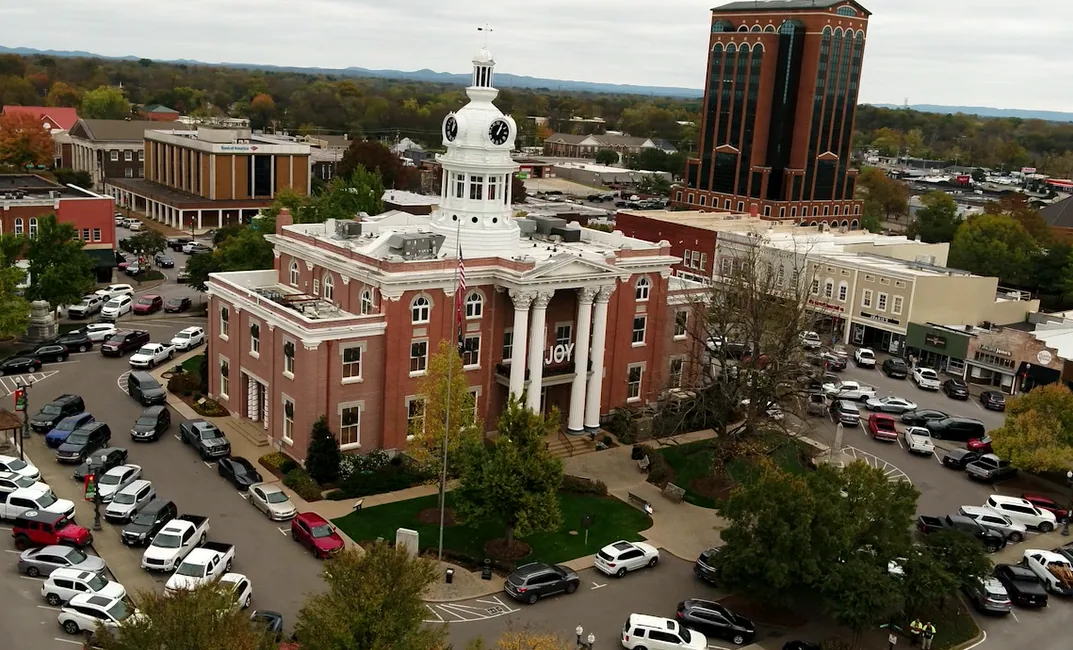
Commercial properties in Murfreesboro, TN include medical, office, industrial, and distribution uses in the city's planning framework. The Medical Center Parkway corridor is one mapped medical-commercial and office setting, while La Vergne's economic roster includes manufacturing and distribution activity nearby. Those facts describe local building-use contexts, not a fire at any named site. Each owner must authorize roof access and identify restricted rooms, equipment, and cleanup areas before a repair boundary is set.
Wait for safe roof access
Fire crews, investigators, and structural personnel control the first entry. We do not move across a roof until the site contact confirms where access is allowed and what hazards remain. A weakened deck, unstable parapet, damaged equipment, or falling debris can make the shortest route unsafe. The initial walk records openings and exposed materials from a permitted position. If the roof cannot be entered, we document the access restriction and coordinate temporary protection from a safe location rather than treating an unseen area as inspected.
The property contact identifies which operations remain active and which rooms must stay isolated. A facility can have electrical, mechanical, or process equipment that should not be restarted until reviewed by the responsible trade. We coordinate roof work with those clearances and keep the work zone distinct from cleanup. The first scope can cover a safe dry-in and a controlled inspection; the permanent repair follows once the deck and affected assembly are available for review.
Map heat, water, and smoke exposure
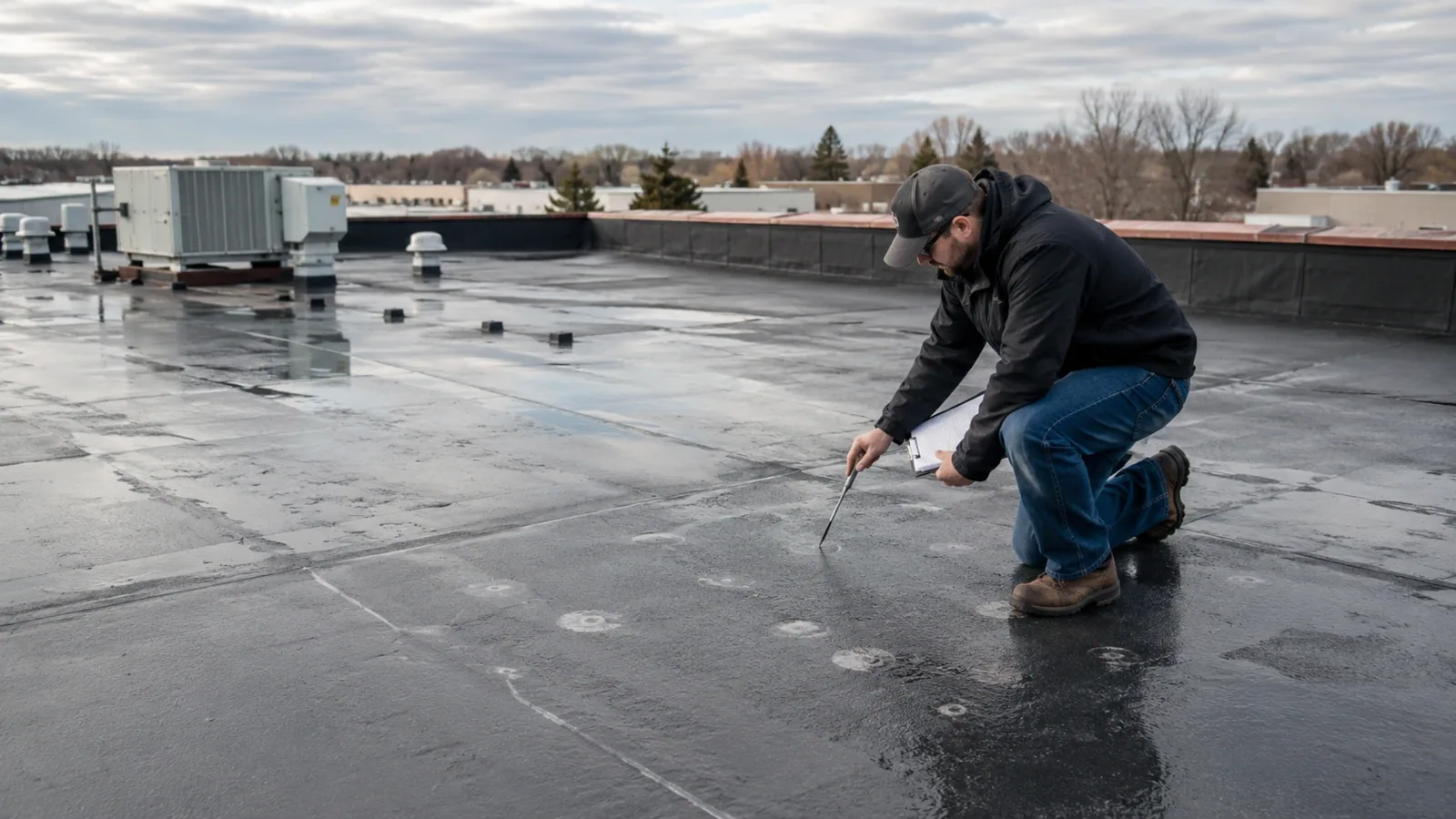
We inspect the roof surface for burned or blistered membrane, softened insulation, displaced edge metal, open seams, and damage at penetrations. Heat can travel through the assembly, so the visible line of charring may not define the material that needs removal. Suppression water can enter at the opening and move below the roof. We photograph each affected section and compare it with the building contact's interior records, equipment shutdowns, and any areas that remained protected. A separate hole from debris is recorded as a puncture repair with its own boundary.
Smoke residue and odor do not establish the structural condition of a roof. We record soot and affected materials for the remediation team, while the roofing scope addresses membrane, flashing, insulation, and deck. Murfreesboro's NOAA normals include warm days and freezing nights, which can matter when a temporary cover or new material must remain exposed between shifts. Those averages are not a current weather report. We check actual site conditions and close each roof opening before a weather hold. Water entry is tracked to the drainage route before a new section is tied.
Protect the opening without hiding it
A dry-in limits additional water entry while the owner and other trades define the full repair. We select a temporary cover or membrane detail that can be secured at the roof edge and will not block required drains. The boundary is photographed before covering. We record what remains exposed and identify who will authorize the next inspection. Temporary protection is labeled as such in the work record, with a return visit or permanent repair step rather than an open-ended patch.
Where a fire damaged a curb or pipe penetration, the cover must shed water around the opening without loading unstable material. We also check for sharp metal, loose insulation, and overhead hazards before the crew handles debris. An emergency roof response can stabilize an active opening, while the permanent scope may include insulation and cover-board replacement. The damaged area is kept separate from adjacent roof sections until their condition is confirmed.
Open the assembly to a sound limit
When the roof can be entered, we determine whether removal should stop at the surface, extend through insulation, or continue to the deck. A test area can show the layers, attachment, and condition below the membrane. The owner approves its location and interior protection before we cut. We record the deck type and any visible damage, then close the test opening or leave it protected under an agreed sequence. If structural work is needed, the roofing repair waits for the responsible professional to clear the deck.
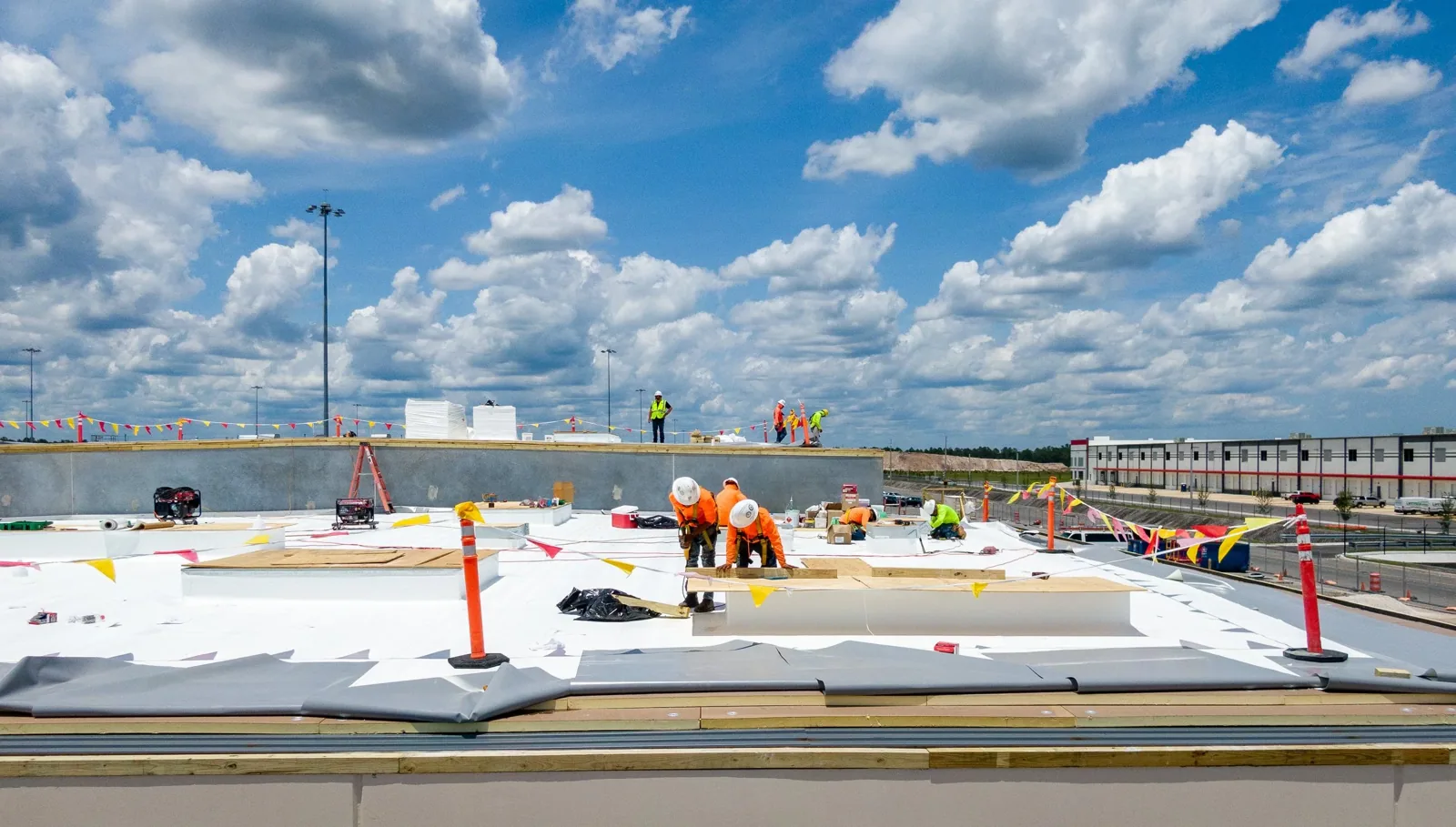
The repair may involve a localized membrane patch, replacement of a roof section, or a full reroof if heat or water compromised a broader assembly. We check adjacent seams, parapets, drains, and equipment supports so a new section ties into stable details. A replacement assessment or occupied-building plan can show how permanent work will be staged after clearance. No one roof material is selected from the fire description alone; the existing assembly and use determine the path.
Separate roofing from restoration work
Roof repair may overlap with contents removal, mechanical replacement, interior drying, and electrical checks. We coordinate who controls the roof opening, how material will be staged, and when another trade needs access. The scope identifies roofing removal, deck or insulation work, temporary coverage, and final membrane tie-ins. Cleanup or indoor air work belongs to the qualified restoration scope. Keeping responsibilities clear prevents a temporary roof measure from being mistaken for completed interior restoration.
For a property along the Medical Center Parkway corridor or in the wider La Vergne industrial region, we still confirm the actual jurisdiction, contact, and roof access rules for that address. Murfreesboro's code ordinance applies within its stated jurisdiction and scope; another municipality may have separate requirements. We verify permit questions with the city or authority before work. The written plan lists the access window, inspection hold points, and conditions that can change the schedule.
Document the final roof boundary
Closeout records identify each removed section, retained assembly, temporary measure, and permanent tie-in. Dated photos show the roof before work, opened layers, deck findings, and completed surface. The owner receives records on what remains to be completed by structural or restoration trades and which roofing items are finished. If an area was not accessible, it stays listed as uninspected rather than being folded into the cleared work.
A final walk checks drains, edges, curbs, and the repaired section for a closed termination. We remove loose debris, confirm temporary covers are handled as planned, and give the property contact the repair boundary. A condition report can carry those findings into the property file, and a La Vergne-area roof assessment follows the same building-specific sequence. The next decision should be tied to the deck and assembly findings, not the initial appearance alone.
Commercial Roofing Questions
Can roofing begin while investigators are still on site?
Only in an area the responsible officials and property contact have cleared. We follow their access limits and protect the opening from a safe, authorized position.
Does the burned area show how much roof must be replaced?
Not necessarily. Heat and suppression water can affect material beyond the visible mark. We inspect layers and deck where access is allowed and document any test area.
Who handles smoke residue on the roof?
The remediation scope addresses residue and cleanup. Our roofing scope identifies membrane, insulation, flashing, and deck work and coordinates the work boundary with the restoration lead.
Can a temporary cover stay in place until rebuilding?
It can serve as a short-term measure when it is secured, drains remain clear, and a return or monitoring plan is set. We label it temporary and record remaining exposure.
What changes the permanent repair price and schedule?
Safe access, structural clearance, removal depth, wet insulation, deck repair, equipment coordination, and weather all change the scope. We list those items before finalizing the sequence.
Related Roofing Work
More commercial roofing work connected to Commercial Fire-Damaged Roof Repair in Murfreesboro.
Coordinate a safe roof assessment
Share the authorized access contact, fire-area limits, and any structural or restoration restrictions. We will document the roof opening, temporary protection, and permanent repair boundary.