Solar-Ready Commercial Roofing in Murfreesboro, TN
Prepare a Murfreesboro commercial roof for solar by checking deck, membrane, drainage and access before array design. We document tie-ins and repair boundaries.
Solar-Ready Commercial Roofing
A solar array adds equipment, attachment points and service paths to a roof that still has to drain and remain maintainable. In Murfreesboro, TN, a solar-ready roof review begins with the deck, existing membrane, insulation, parapet edges and equipment curbs. We mark areas that can support the planned work, repairs needed before installation and details that require engineering or electrical coordination. The goal is a roof assembly and array plan that can be inspected together before a crew drills or sets ballast.
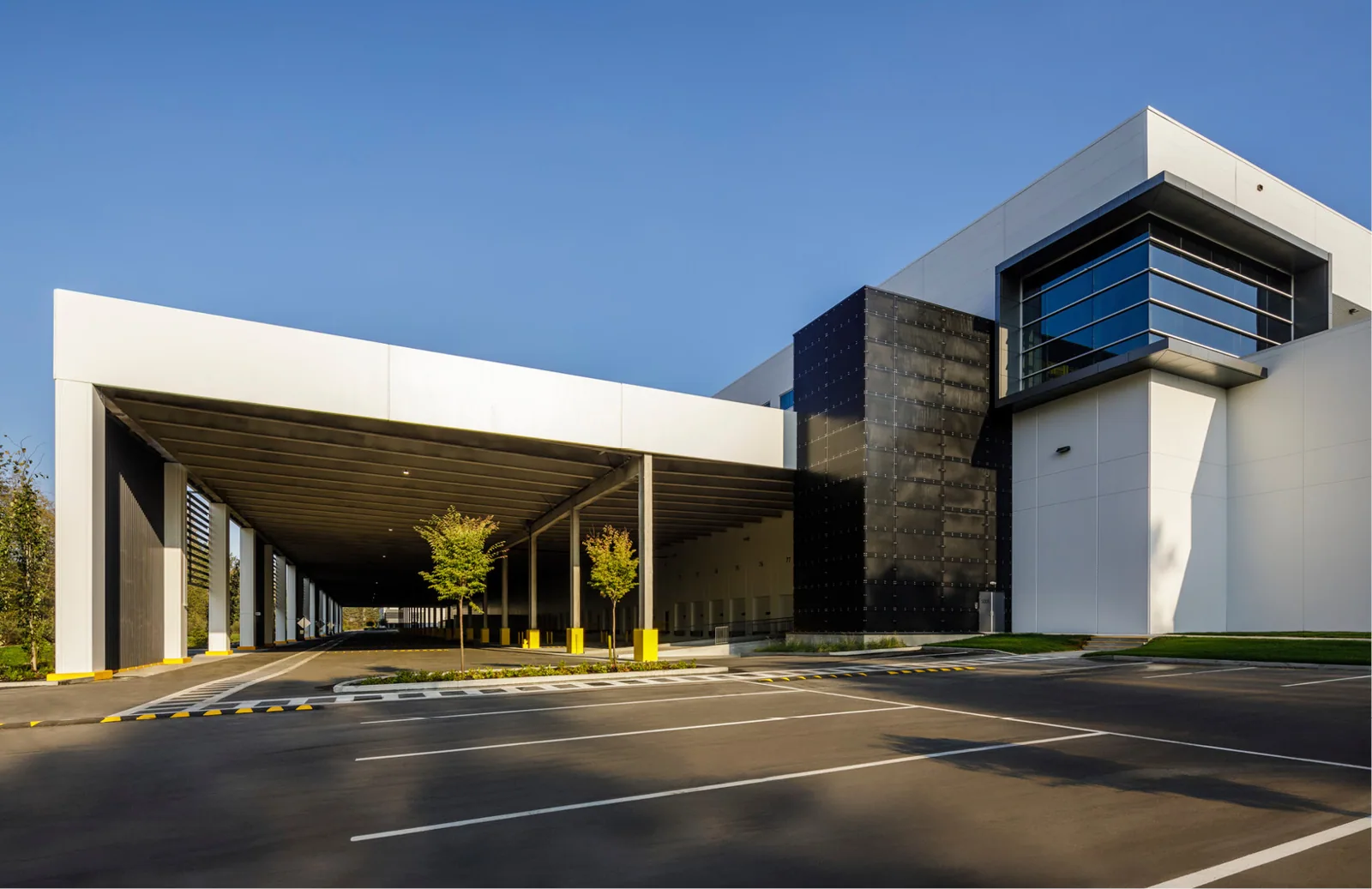
City land-use areas include office and business-park settings for medical, technology and laboratory uses, plus industrial areas with warehousing and distribution. Each property brings its own loads, roof history and access limits. A roof near Greenland Drive may have different routes and operating hours from an industrial site near I-24; the actual site plan must set the work sequence.

Confirm the roof before array layout
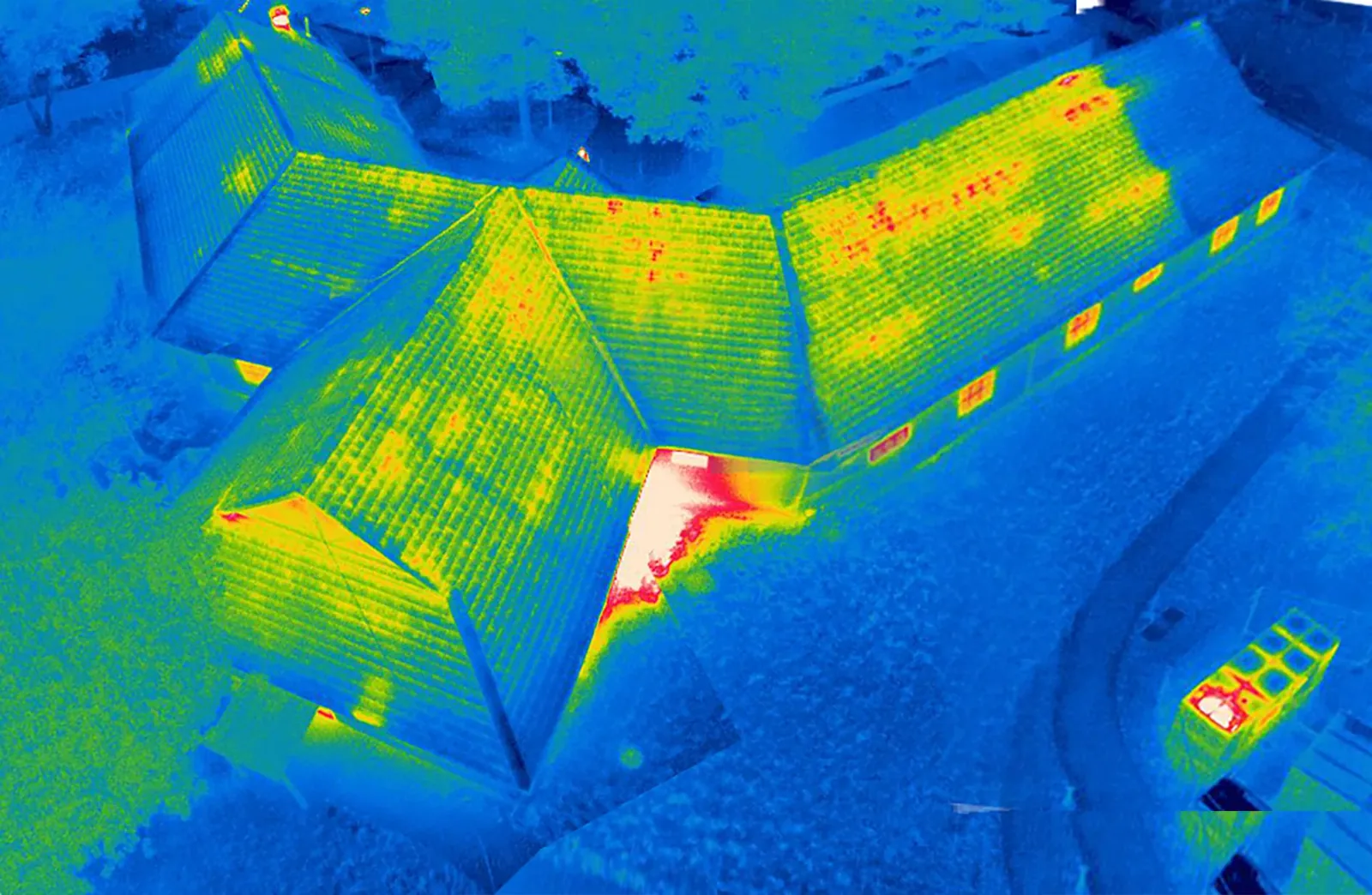
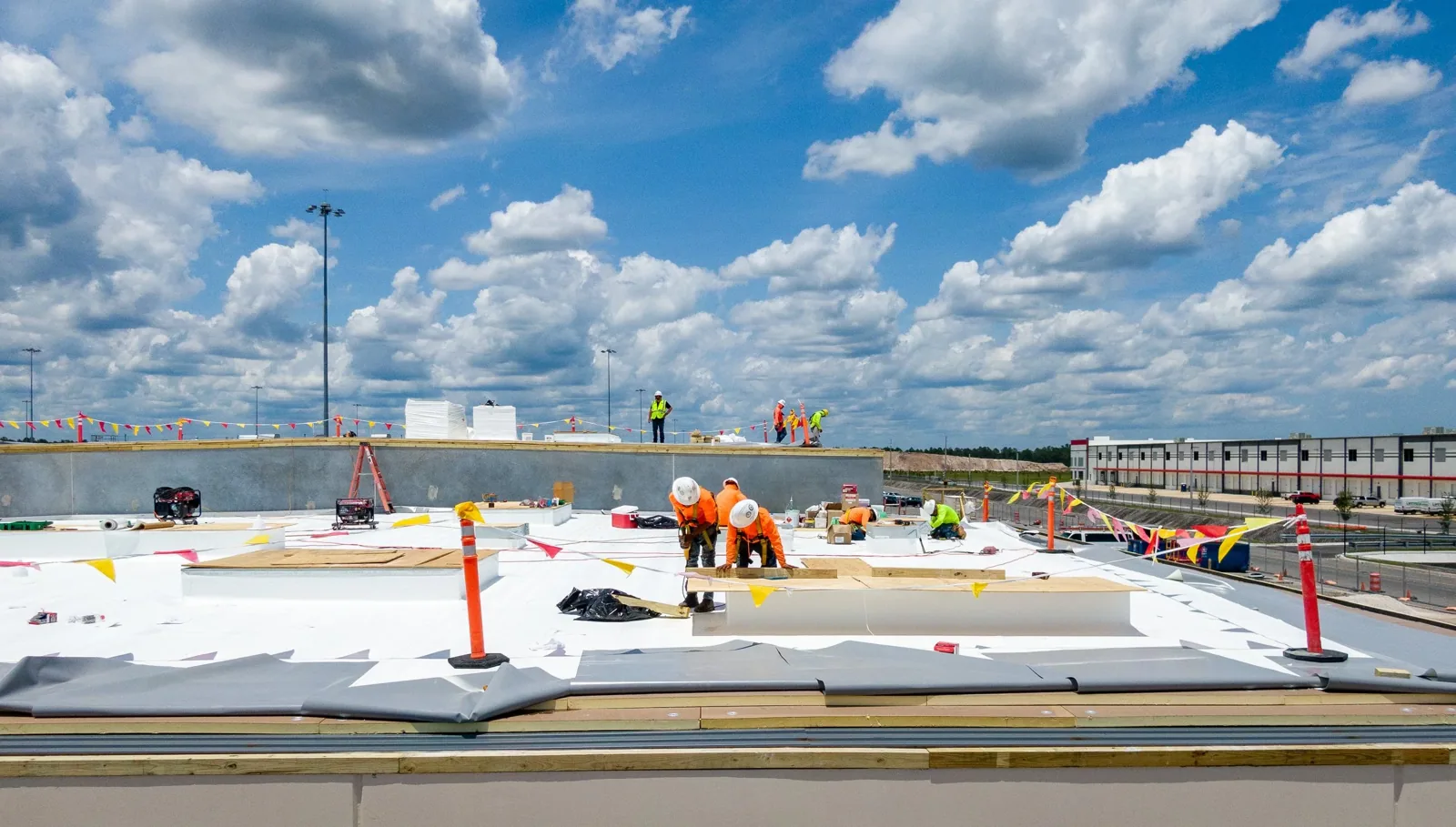
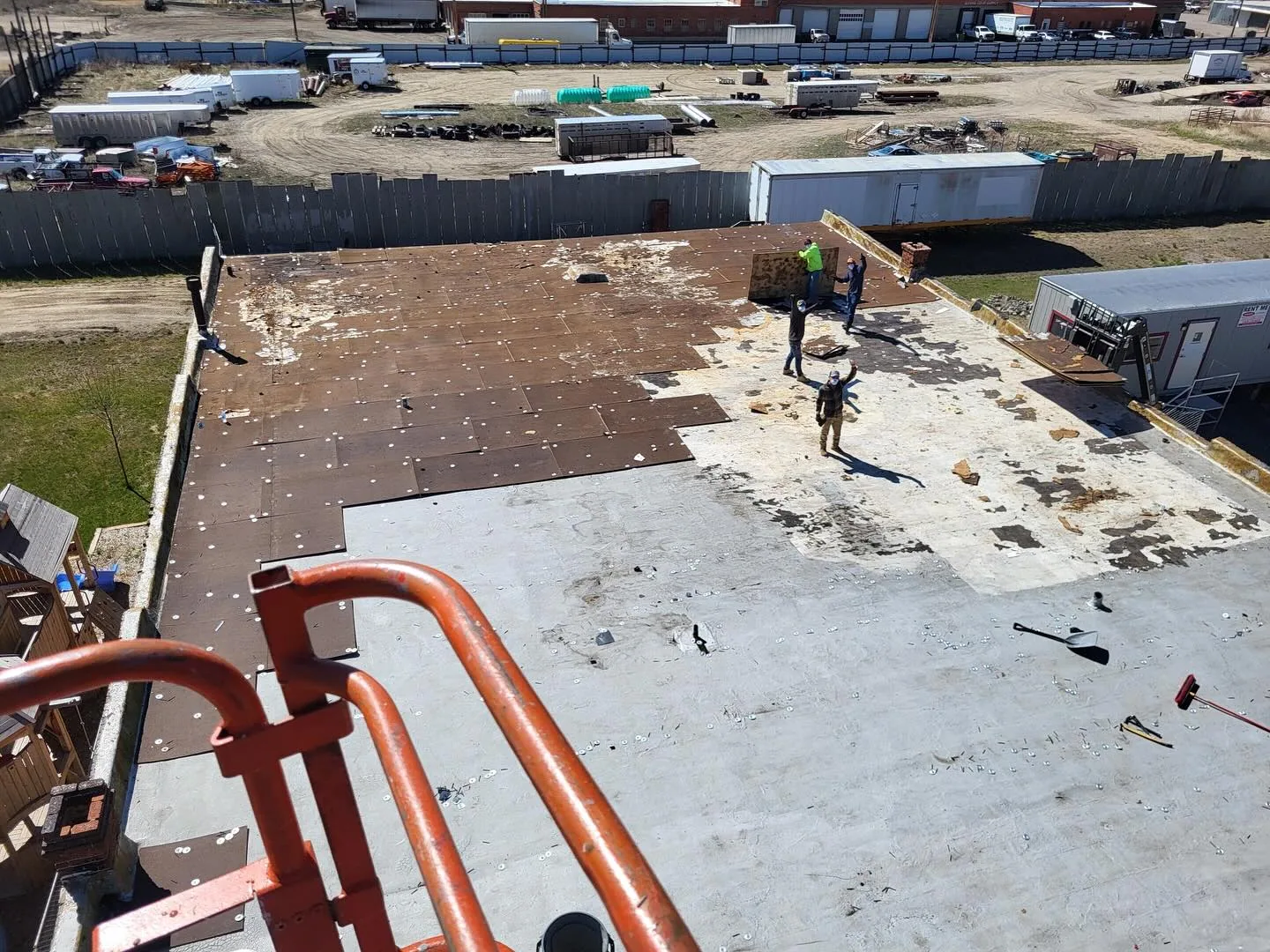
Start with the roof age where known, system type, deck construction, previous repairs, moisture history and any current warranty documents. Inspect seams, flashing, drains and edges across each proposed array zone. If insulation is wet, fasteners are loose or the deck is damaged, those conditions should be corrected before solar hardware covers the area. Test cuts can confirm concealed layers when a surface review does not resolve the question. Photograph the layers before closing the opening.
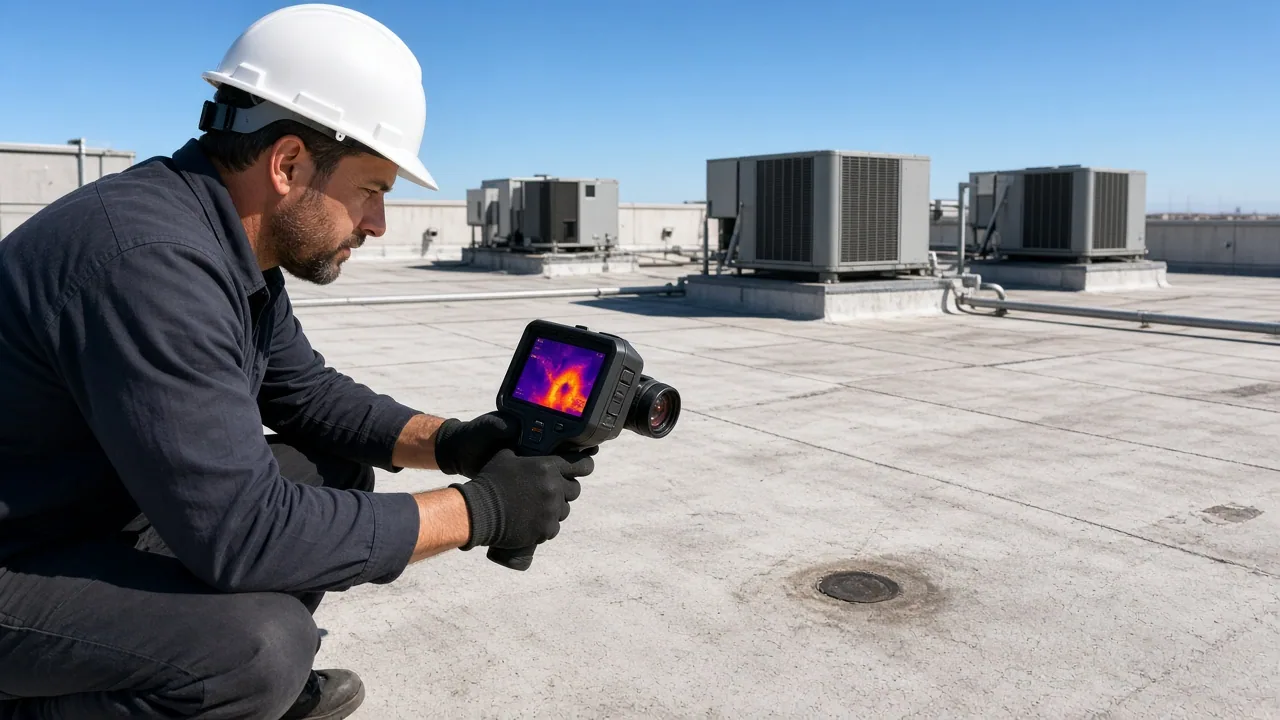
A commercial roof inspection can map the field, equipment and penetrations, while a moisture survey can help prioritize tests. Array design needs the panel layout, support method, wind loads and service aisles before the roofer can define attachment and flashing. We coordinate with the solar installer and engineer, and identify who supplies blocking, who seals each roof penetration and who checks the finished connection.
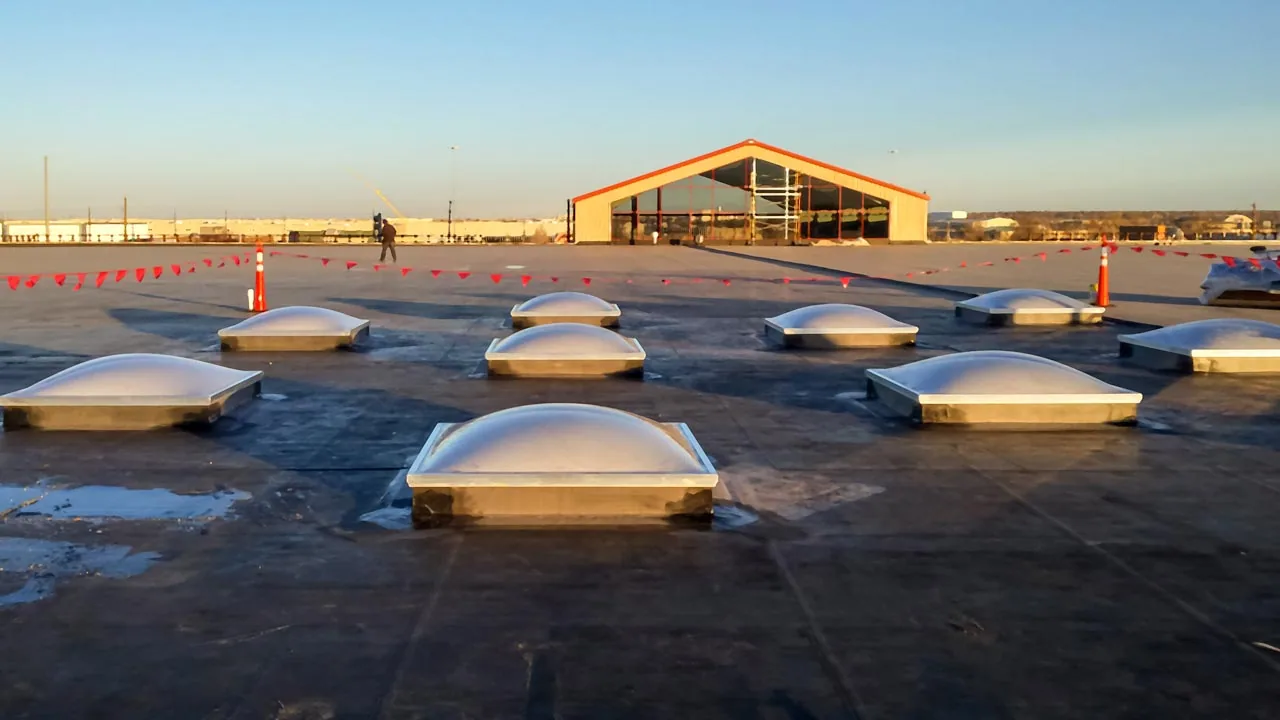
Murfreesboro's office and industrial land-use categories describe a range of potential building uses, not the structure of a specific roof. A technology office may have rooftop equipment and restricted access, while a distribution operation may require clear routes to loading areas. We check the roof plan against actual conditions and record where proposed panels conflict with drains, smoke vents, skylights, lightning protection, walk pads or fall-protection equipment.
Protect the membrane at each support
Every mechanical attachment must transfer load into an appropriate structural member or deck design. The solar engineer sets the array loads and connection requirements; the roofing scope confirms how each penetration is flashed into the membrane. For a ballasted layout, review the roof capacity, pad placement, ballast restraint, wind design and drainage before setting equipment. Do not assume a surface can take concentrated weight because the membrane looks intact.
At penetrations, identify the roof system, substrate, fastening details and flashing height. Use compatible materials and maintain the membrane's water-shedding path around the support. Keep sealant as part of a designed detail, not a substitute for missing flashing. A penetration flashing repair may be needed where an existing opening is damaged, while a cover-board scope can address substrate protection as part of a larger roof assembly.
Solar work can cross an existing expansion joint or divide the field into arrays that are hard to reach. Keep service aisles clear and protect the route for future roof inspection. Confirm that panels do not block drains, scuppers, overflow paths or access to rooftop units. Near the Medical Center Parkway corridor, as at any Murfreesboro property, access rules and equipment schedules must be confirmed with the building contact before staging.
Set the code and permit boundary
Murfreesboro Ordinance 26-O-34 adopts the 2024 International Building Code, Existing Building Code and Energy Conservation Code with local amendments for covered commercial work within city limits. Roof replacement, insulation changes, structural reinforcement, electrical equipment and solar attachments may follow different review paths. We document the roofing assembly and proposed penetrations, then have the project lead confirm the applicable permit scope with the city and coordinate structural and electrical plans.
The scope should separate roof repairs from array engineering, electrical interconnection and utility approvals. If the roof requires replacement before panels are installed, set the membrane, edge metal, curbs and warranty documents first, then coordinate the array supports and access. A roof replacement can include the roof layers and penetrations; a separate solar contractor handles its system design and electrical work.
Cost and timing change with deck reinforcement, roof tear-off, test cuts, insulation, flashing detail, array staging, lift access, electrical disconnects and site operating windows. If a roof is occupied or supports active process equipment, the work plan should define each section that can be isolated, how openings are protected and who accepts the completed tie-in. Temporary weather protection is available any hour if an opening is active; permanent work proceeds after the assembly and access are ready.
Keep roof service possible after solar
Before the array is energized, photograph each roof support, flashing, panel-clearance route, drain and curb. Record the membrane type, attachment detail, repairs, test results and any area not inspected beneath installed equipment. The closeout should show the boundary between roofing and solar trade work. Before panels cover each support, record its location, roof section, fastener or ballast detail, flashing type and the installer responsible for the tie-in. A later service crew can then locate the attachment without disturbing an adjacent membrane seam. A photo condition report helps facilities staff locate details later, while a roof asset record can keep the roof assembly and array information together.
Solar equipment changes the access plan for future repairs. Keep panel rows, walk paths and electrical shutdown procedures in the site record. A maintenance visit should check visible membrane, flashing and drainage without moving panels unless the scope authorizes that work. If a later leak appears, trace it through the attachment and roof layers before replacing sealant. A roof maintenance visit can identify exposed details that remain reachable and record where array access is required.
For a property owner considering solar on a building near Greenland Drive or elsewhere in Murfreesboro, send the roof plan, array layout, available structural details and operating schedule. We can review the roof work needed before installation, list unresolved engineering questions and provide a written scope. If panels are already present, share service records and the installer contact so the repair boundary and access responsibility are clear.
Commercial Roofing Questions
Can solar panels go on the existing roof?
That depends on deck capacity, membrane condition, attachment, drainage and the array design. We inspect and test the roof areas that could change the decision, then coordinate findings with the solar engineer.
Who seals the roof penetrations for solar supports?
The project scope should assign each support and flashing connection to a qualified trade. We identify the roof system and complete the membrane tie-in when it is part of our scope, then document the detail before panels cover it.
Should the roof be replaced before solar installation?
If the membrane or insulation needs near-term work, complete that roof scope before array equipment limits access. We compare the observed condition, repair history and planned panel life with the owner and solar project lead.
What should stay clear under an array?
Maintain drainage outlets, overflow paths, expansion joints, equipment clearances and routes for inspection. The array plan should show those locations before supports or ballast are set.
What permits apply to a solar-ready roof?
Murfreesboro's adopted codes and local amendments apply to covered work within city limits, but permit requirements vary with the actual roof, structural and electrical scope. We document our roof work and coordinate review with the project lead.
Related Roofing Work
More commercial roofing work connected to Solar-Ready Commercial Roofing in Murfreesboro.
Review a roof before solar layout
Share the roof plan, system details, proposed array layout and equipment schedule. We can inspect the assembly, mark repairs and tie-ins, and return a roofing scope for coordination with the project team.