Johns Manville Commercial Roofing in Murfreesboro, TN
Plan Johns Manville commercial roof repair or replacement in Murfreesboro. We document the installed assembly, moisture, transitions, and access before pricing.
Johns Manville Commercial Roofing
A Johns Manville product on a submittal is a starting point, not a field diagnosis. We check the installed membrane or asphaltic assembly, its seams and flashings, the insulation, deck, and repair layers before choosing a detail. In Murfreesboro, TN, roof decisions also have to fit the building's use and work window. The city plan includes both commercial arterial sites and office or industrial settings, so we ask what equipment runs below each section and how the crew can reach it.
We compare available closeout records with the roof itself. The walk records drains, curbs, edge conditions, prior patches, and any place where the membrane changes. If a concealed layer could alter the scope, we identify a test location rather than assume the assembly from a brand name. For a system comparison, review our modified bitumen roofing work and TPO installation scope against the actual building.
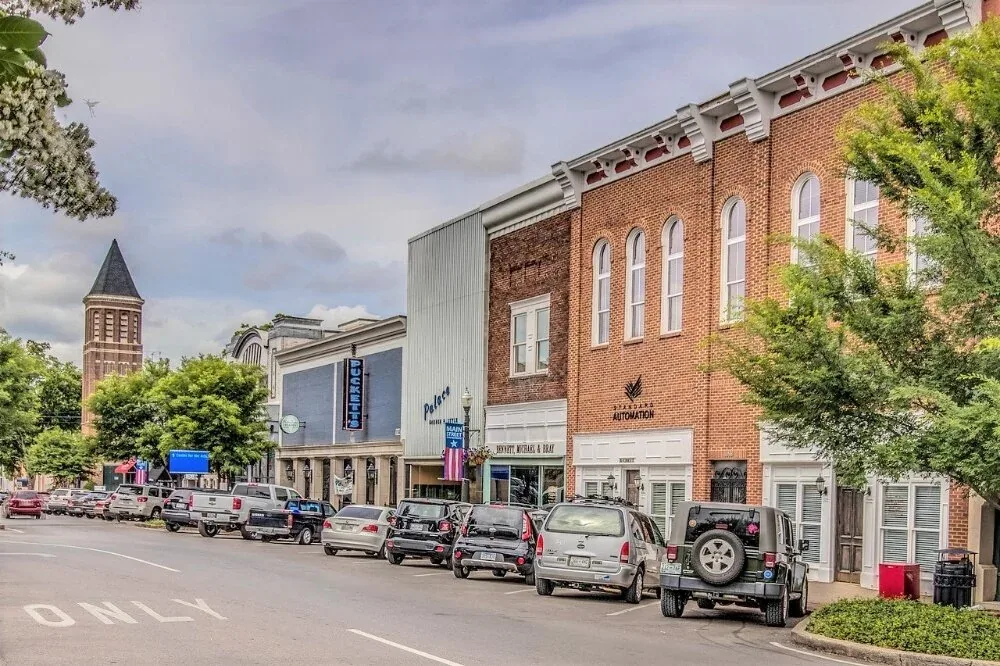
Trace the installed assembly
Roof records can be incomplete after multiple repairs or tenant changes. We identify the visible surface, seams, flashing type, cover board, insulation transitions, and any changes in slope or deck. A test cut may be useful when wet insulation, trapped moisture, or deck corrosion cannot be confirmed from the surface. We show the owner where the sample came from and why it matters to the repair, recover, or tear-off decision.
Johns Manville systems cover more than one material family, so the observed assembly controls our repair plan. We do not treat every membrane, cap sheet, or flashing detail the same way. We identify the substrate and preparation first, then confirm the manufacturer's requirements for the repair materials being used. When a previous coating or patch affects adhesion, that condition is written into the scope. A hidden layer that cannot be inspected stays an open question until the owner authorizes the test.
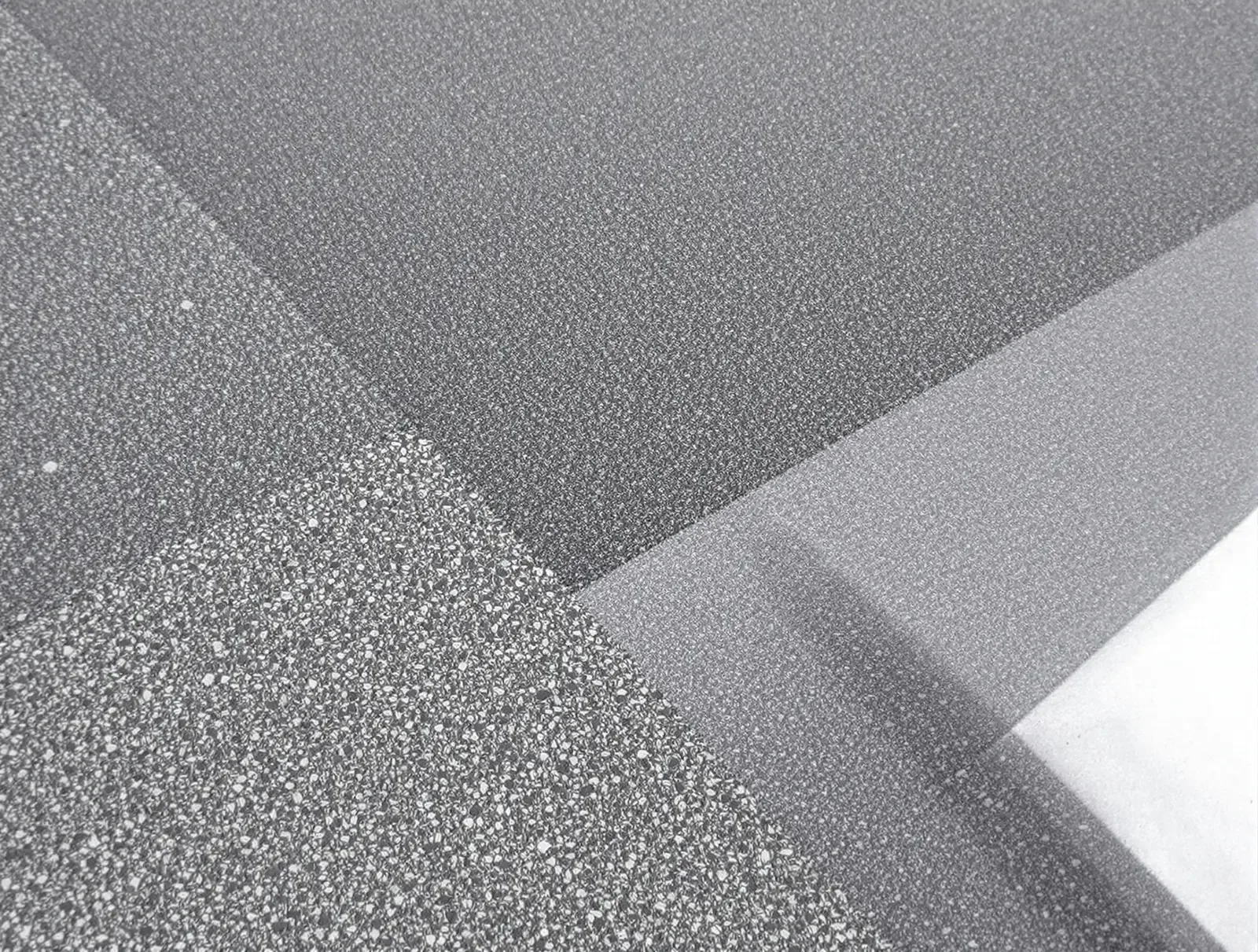
For an asphaltic roof, we record whether the surface is smooth or surfaced and inspect the cap-sheet laps, base flashing, drains, and transitions. On a membrane assembly, we record seam direction and the condition at the edge, then compare that with the repair material. A coating may hide older repairs or hold moisture at a seam, so preparation can include a small adhesion check. These observations determine whether a compatible repair can stop at a defined boundary or whether a larger section needs to be opened. We photograph the result before the next phase begins.
Check after a reported storm
Storm history can point to a time for inspection, but it cannot tell us what happened to a particular roof. A July 2024 EF-0 tornado crossed Murfreesboro on a 3.38-mile path, with estimated maximum winds of 75 mph and reports of minor roof damage in the wider event. We use that record as context only. On the building, we look for lifted edges, displaced metal, punctures, split flashings, loose rooftop items, and water entry, then photograph each observation.
The repair scope follows what is visible and reachable. If a membrane has a localized opening, we test whether the surrounding area is dry and sound before setting a patch boundary. If interior reports do not align with the roof opening, we trace drainage, curb transitions, and the roof section above the affected space. On properties near the East Main Street Historic District, access and staging also need to fit neighboring occupied uses. The roof finding remains the basis for the repair.
Map moisture and drainage
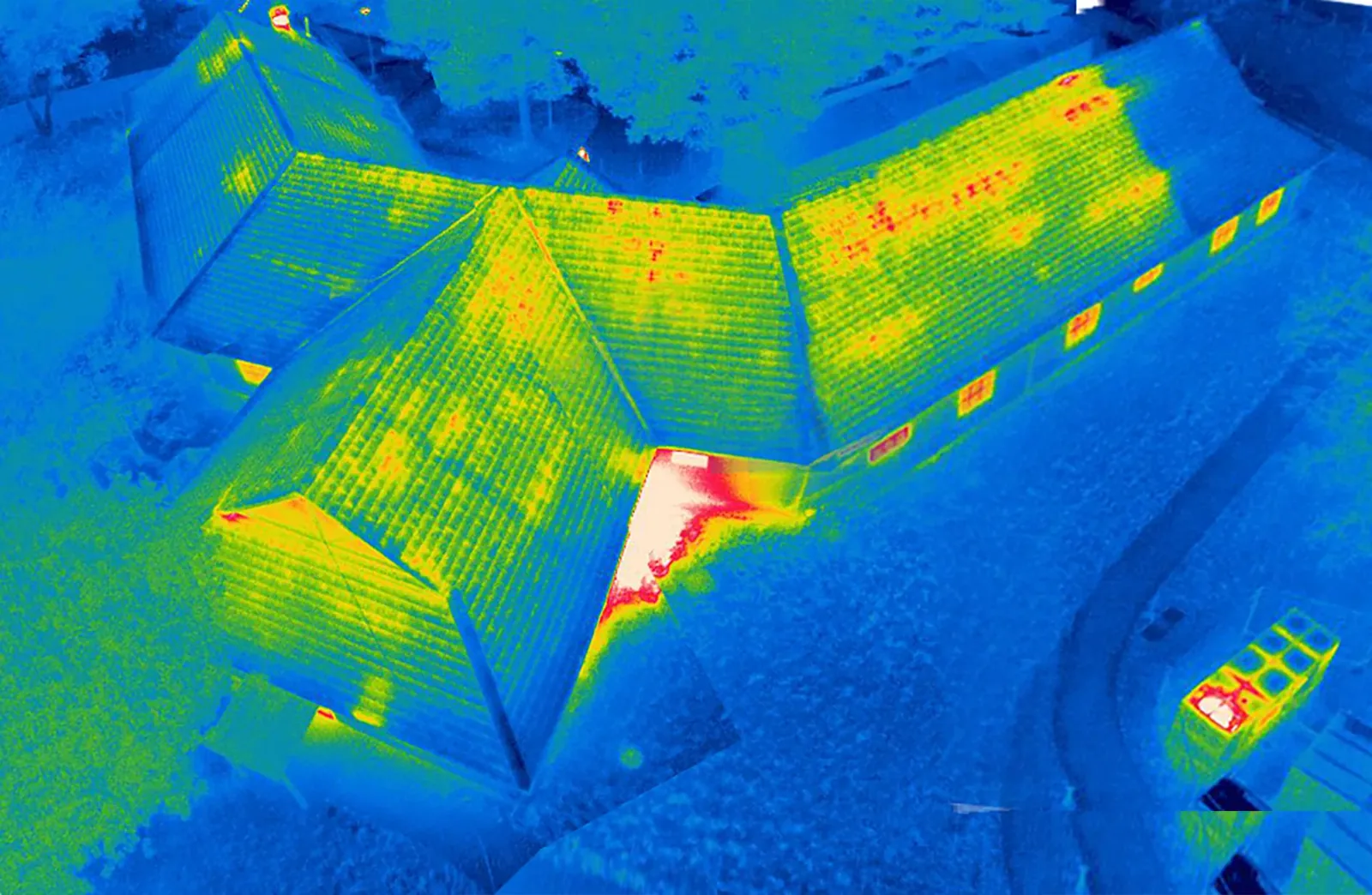
Moisture can spread beyond the point where a stain appears. We inspect the roof surface, drains, overflow paths, insulation transitions, and penetrations, then relate those conditions to interior reports. An infrared survey or test cut may be appropriate when the surface does not show where moisture stops. The record marks the tested area, the method, and the limitation, so a repair is not priced as if every concealed layer were known.
Murfreesboro records include 55.92 inches of mean annual precipitation at the Murfreesboro 5 N station for 1991 to 2020. That recurring wet load makes drainage checks useful, while roof slope and drain performance remain building-specific. We clean and assess the outlet path within the agreed scope, record low areas, and recommend corrections separately when slope or deck work is involved. See our infrared moisture survey when a moisture map could narrow test locations.
Set the right project size
We compare three practical paths when the roof condition allows more than one. A localized repair addresses a defined failure. A recover keeps an existing assembly only when moisture, attachment, structure, and code review support another layer. A tear-off exposes the deck and permits broader correction, but it also changes demolition, staging, and weather protection. The estimate records the observations behind each path and states what must be confirmed before work begins.
Inside Murfreesboro, the adopted 2024 Existing Building Code applies to covered commercial, industrial, and multifamily work, with city amendments. The local ordinance also lists certain roof-covering replacements as permit-exempt when the deck and framing stay or the same system is used again. The project scope and exceptions must be confirmed with the City. Our recover evaluation separates a possible overlay from a full replacement instead of blending both into one allowance.
Keep the site in service
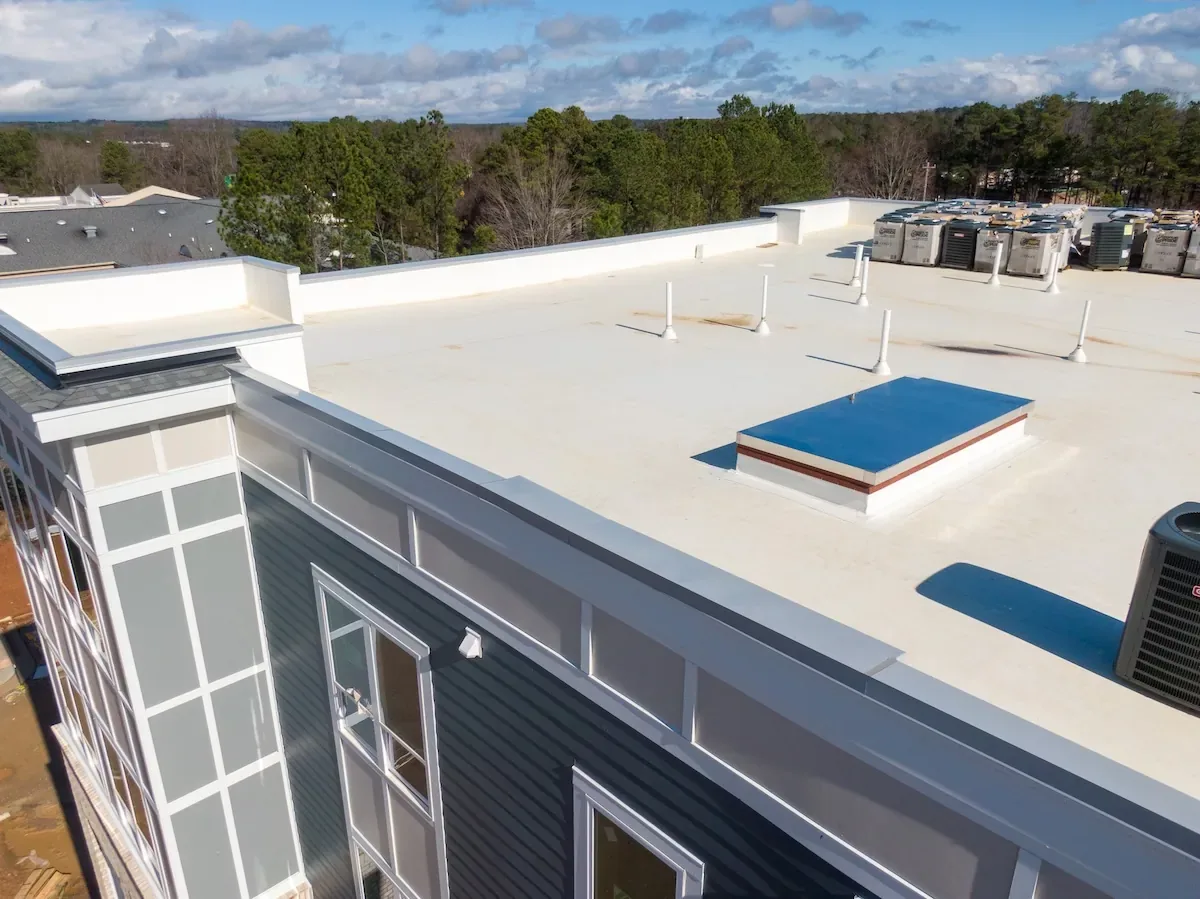
Before mobilization, we coordinate access, a safe loading window, equipment clearances, tenant notices, and the route from staging to the work area. The daily plan identifies which roof section is open and how the crew will close each tie-in before leaving. This matters when a building has active air intakes, process equipment, medical use, or scheduled deliveries. We confirm actual operating conditions with the owner rather than infer them from the surrounding land-use category.
Northfield Extension is one city-planned transportation area, and Bradyville Pike is another listed road improvement. These references help frame local access planning, but they do not establish a particular roof's construction or condition. We set the staging route after a site walk. For repairs across multiple systems, our GAF commercial roof service, Carlisle SynTec repair work, and photo-supported roof records follow the same field-first method.
Commercial Roofing Questions
How do you identify which Johns Manville system is installed?
We inspect the membrane or sheet, seam construction, flashings, repair layers, and available closeout records. If the visible assembly does not establish the concealed layers, we identify a test cut before pricing work that depends on them.
Can moisture under the membrane be located without opening the roof?
A surface survey can help narrow an area, but it does not replace confirmation where the assembly is concealed. We mark survey limits and recommend test cuts when the result could change a recover or replacement scope.
What should a storm inspection record?
It should tie each observed condition to a roof section and show the detail in dated photos. We record lifted edges, punctures, flashing changes, and interior reports without assigning a cause that the field evidence cannot support.
When should a roof be torn off instead of recovered?
Widespread wet insulation, an unsound deck, poor attachment, or an added layer that the structure cannot accept can rule out a recover. We document those conditions and compare the demolition and weather-protection sequence with a repair option.
How do you avoid disrupting equipment below the work?
We map equipment and roof access before setting phases, then agree on loading and shutdown windows with the facility contact. The crew closes the day's tie-in and records any area that needs a follow-up visit.
Related Roofing Work
More commercial roofing work connected to Johns Manville Commercial Roofing in Murfreesboro.
Put the roof records to work
Set an access window and identify the sections that need a decision. We will inspect the installed assembly, mark findings, and return repair or project options in writing.